Press release

〰️

Press release 〰️

Official Statement from the American Beefalo Association: Addressing Recent Genomic Claims on Beefalo Ancestry

For Immediate Release February 12, 2026 – The American Beefalo Association (ABA) has reviewed the 2024 eLife publication titled "Most Beefalo cattle have no detectable bison genetic ancestry," authored by Beth Shapiro of UC Santa Cruz and collaborators, including USDA researchers. While we appreciate scientific exploration in animal genetics, this study is deeply flawed, methodologically biased, and misleading. As the national authority on the USDA-recognized Beefalo breed since 1975, we must correct the record for our members, producers, and consumers.

1. USDA Recognition and Independent Testing Validate Beefalo as Distinct

Central to the ABA's position is the fact that the United States Department of Agriculture (USDA) has long recognized Beefalo as a distinct breed from traditional cattle, based on its own rigorous testing and evaluation. In 1985, following comprehensive USDA meat testing, Beefalo was granted its own official labeling as "Beefalo Beef" for animals meeting the 17% to 37.5% bison ancestry criteria by pedigree. This USDA stamp—applied via roller or grading processes on carcasses—confirms Beefalo's unique nutritional profile: up to 79% less fat, 66% fewer calories, one-third less cholesterol, higher protein, and superior vitamins compared to conventional beef. These differences, verified by USDA labs, underscore Beefalo's hybrid vigor and set it apart from traditional cattle breeds. The eLife study's dismissal of bison ancestry ignores this federal validation, which is based on phenotypic, nutritional, and performance distinctions—not solely on genomic snapshots that may overlook diluted historical admixture.

2. Ongoing Production and New Genetic Lines Since the 1970s

Beefalo have been actively produced by dedicated ranchers since the 1970s, beginning with pioneers like D.C. "Bud" Basolo, who refined the breed through selective interbreeding to achieve the stable 37.5% (3/8) bison fullblood standard. Over the past five decades, producers have continuously introduced new lines into the gene pool by creating fresh F1 (50% bison), F2 (75% bison), and F3 (37.5% bison) crosses between pure bison and cattle stock. This ongoing infusion ensures genetic diversity, enhances hybrid vigor, and adapts the breed to modern challenges like climate resilience and sustainable foraging. The ABA registry reflects this vitality, with thousands of animals documented through multi-generational pedigrees and mandatory DNA parentage verification. The eLife study's limited sample of 47 animals fails to account for these dynamic, producer-driven advancements, painting an outdated and incomplete picture of a living, evolving breed.

3. Evident Bias in the Study's Methodology and Language

The study's flaws extend beyond sampling—only 47 animals, potentially unrepresentative of ABA-registered Beefalo—to a clear agenda evident in its language and framing. The provocative title, "Most Beefalo cattle have no detectable bison genetic ancestry," employs sensationalism to imply deception or invalidity in the breed, rather than neutrally reporting findings. Terms like "purported" and "claimed" ancestry pepper the text, casting unwarranted doubt on decades of documented pedigrees and producer efforts, while downplaying hybrid vigor's real-world benefits. Lead author Beth Shapiro's background in ancient DNA and bison conservation, combined with USDA collaborators' focus on pure bison lines, suggests a bias toward genetic "purity" over agricultural innovation. This aligns with conservationist narratives that prioritize unhybridized wildlife but overlook Beefalo's role as a domesticated, sustainable alternative. The detection of unrelated indicine (zebu) ancestry is twisted to undermine bison influence, rather than explored as a separate breeding artifact. Such biased phrasing and selective emphasis erode trust in the research and harm producers without balanced context.

. Proven Real-World Benefits and Breed Legacy

Beefalo's success speaks for itself: enhanced hardiness, disease resistance, and efficient grass conversion yield animals that thrive with 30% less feed and veterinary care than traditional cattle. Ranchers report tangible advantages in leaner, healthier meat that meets consumer demand for sustainable options. If the eLife claims were accurate breed-wide, these USDA-verified benefits would vanish—yet they persist across herds.

5. Invitation for Collaborative, Unbiased Research

The ABA invites the authors to partner on a comprehensive study using verified ABA samples, incorporating pedigree, phenotypic, and genomic data. We remain committed to advancing genomics while upholding our standards.

In summary, this study does not discredit Beefalo; it exposes the pitfalls of biased, limited research disconnected from practical agriculture. The ABA defends our breed's legacy, backed by USDA recognition and producer innovation. Visit americanbeefaloassociation.com for more.

Please contact operations.americanbeefalo@gmail.com if you have further questions or one of the board of directors.


The AMERICAN CLASSIC

TRULY A BETTER BEEF

Healthier for you, the planet and in the pasture. 

Easier to produce, with a smaller eco-footprint, this animals' nutrient dense, lean meat's exceptional flavor and texture is a "best-kept" secret in the agricultural and health food world. As consumers are rapidly shifting to health-conscious food choices and environmental sustainability, Beefalo is the new 'go-to' for both the American beef farmer and mindful diner.

The American Beefalo Association, ABA, is a collection of the nation's authority figures of the Beefalo breed. Since the 1980's the ABA has continued to regulate Beefalo standards and drive development as a passionate member driven organization. 


Stay Tuned! Meat Study Pending!

〰️

Stay Tuned! Meat Study Pending! 〰️


WHAT IS A BEEFALO?

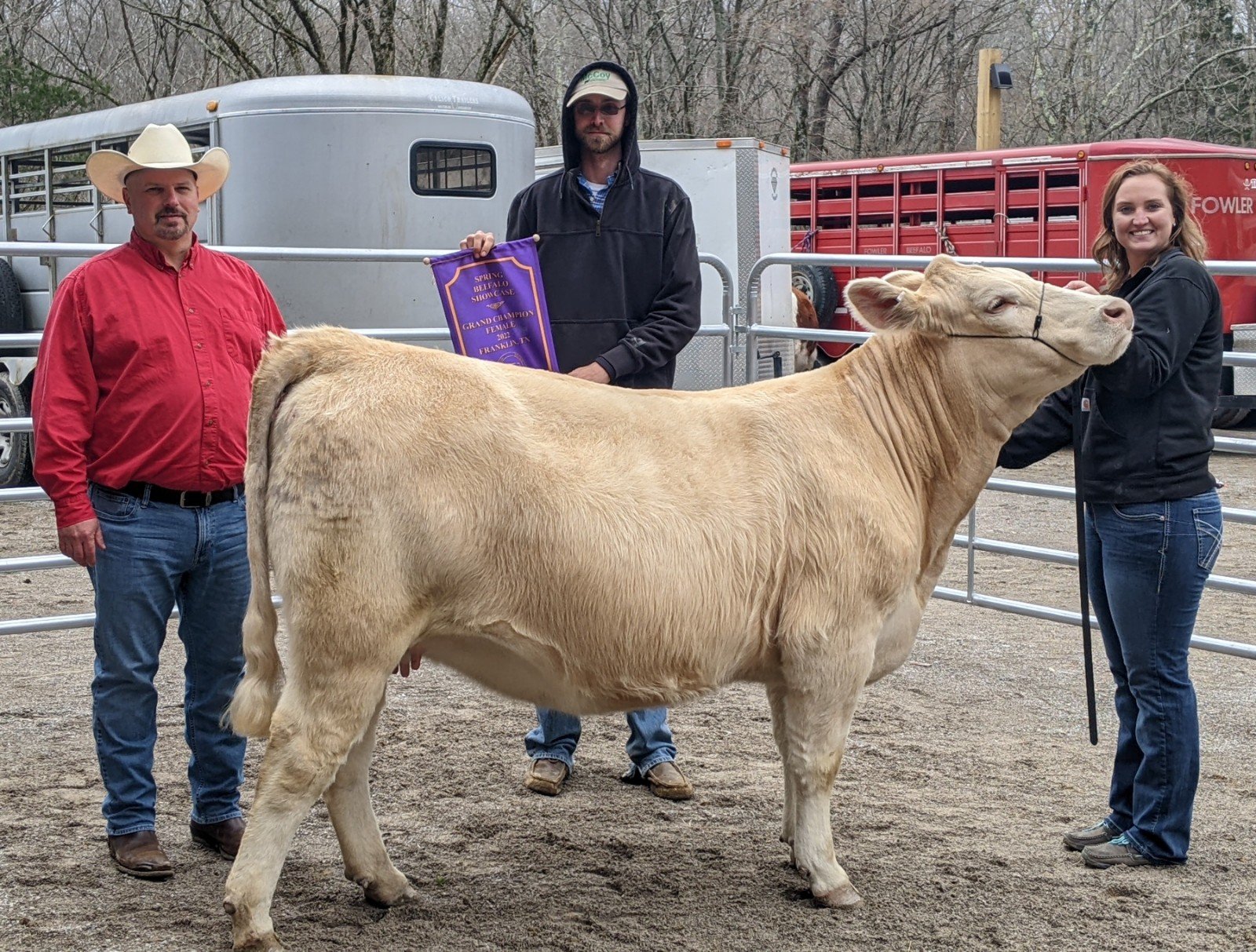
A fullblood, registered Beefalo is a 37.5% American Bison cross. Though always 3/8 bison, various domesticated cattle breeds are selected for desirable qualities to produce the remaining 5/8 heritage. Though often confused with the Bison Hybrid Cattalo, Beefalo is USDA recognized breed of cattle, NOT an exotic animal, is highly controlled and is visually quite distinctive from that of a Cattalo or Bison Hybrid. The ABA is the official route of registration for Beefalo farmers around the country to verify with the USDA that their herds are proven Beefalo.


http://www.bbc.com/news/science-environment-31661920

CATTALO HYBRID HERD 

Smith

BEEFALO REGISTERED HERD


NATION NEWS SOURCES MISIDENTIFY BEEFALO

Beefalo was recently "featured" in articles across the internet, including the articles from BBC and Smithsonian.com, which discussed excessive damage to the native species and ecosystems of the Grand Canyon by wild, invasive "Beefalo" populations. These reports, from trusted journalism sources, show just how easily Beefalo can be confused with Bison hybrids.


A Different Kind of Animal

With the hardiness of a wild west beast and cattle's docile domestication a new breed is born. Since the 1980's the USDA has recognized the Beefalo as it's own breed for a number of significant reasons - It deserves to be distinguished. We at the ABA would love to help you become a producer or find quality local meats.
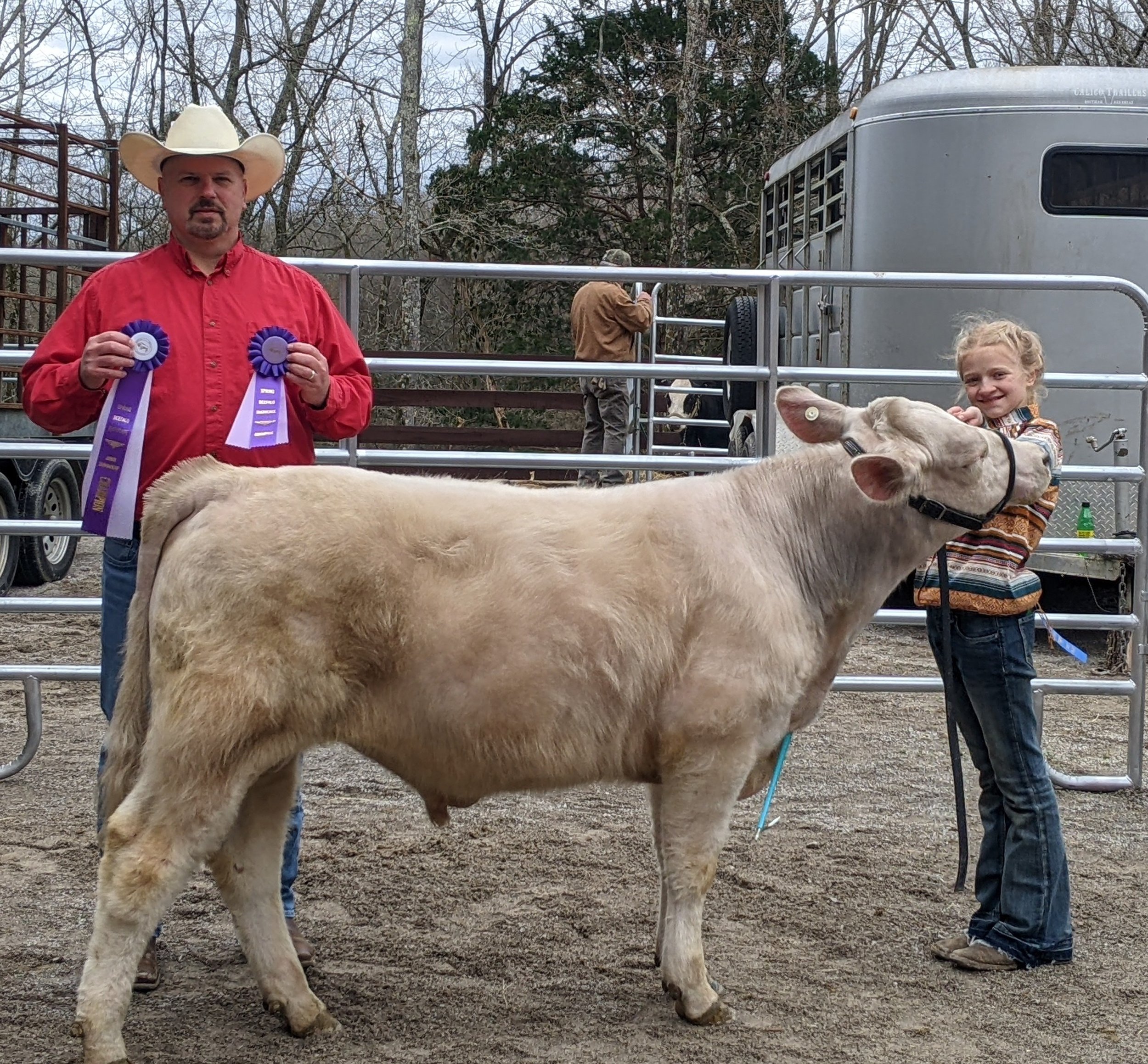
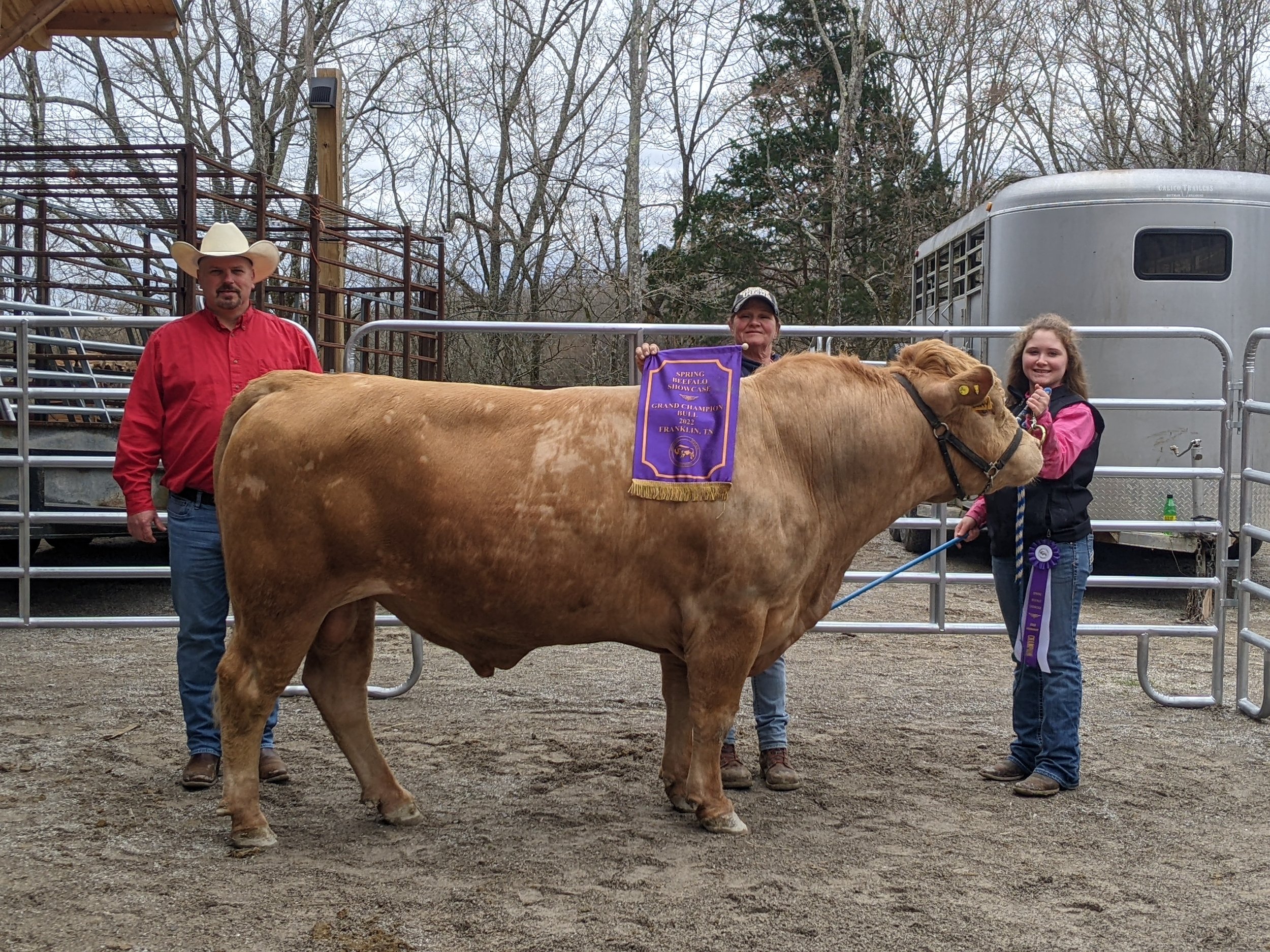


SEE A BEEFALO IN PERSON

Come Visit With Us to Learn More

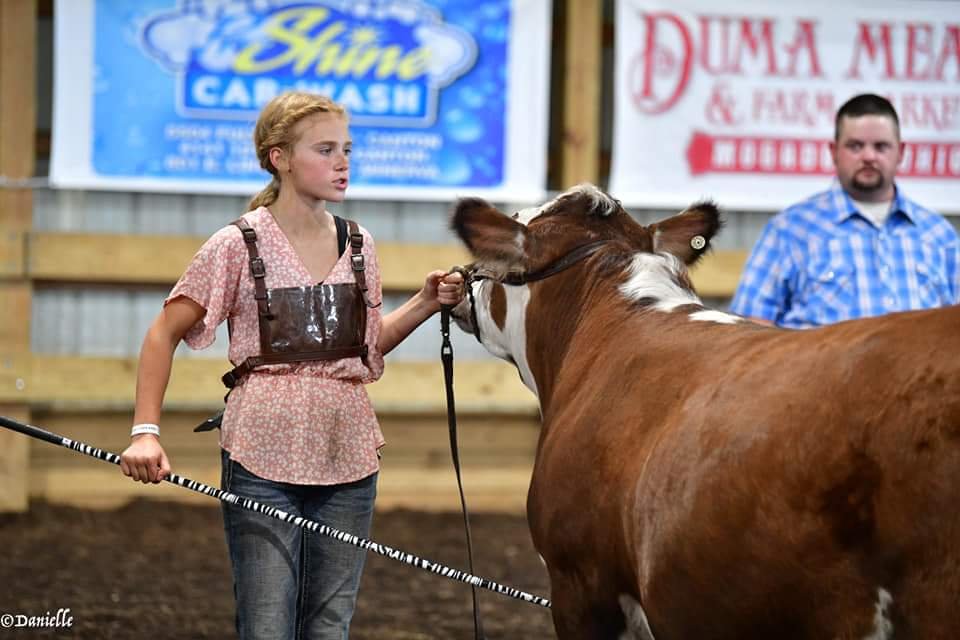
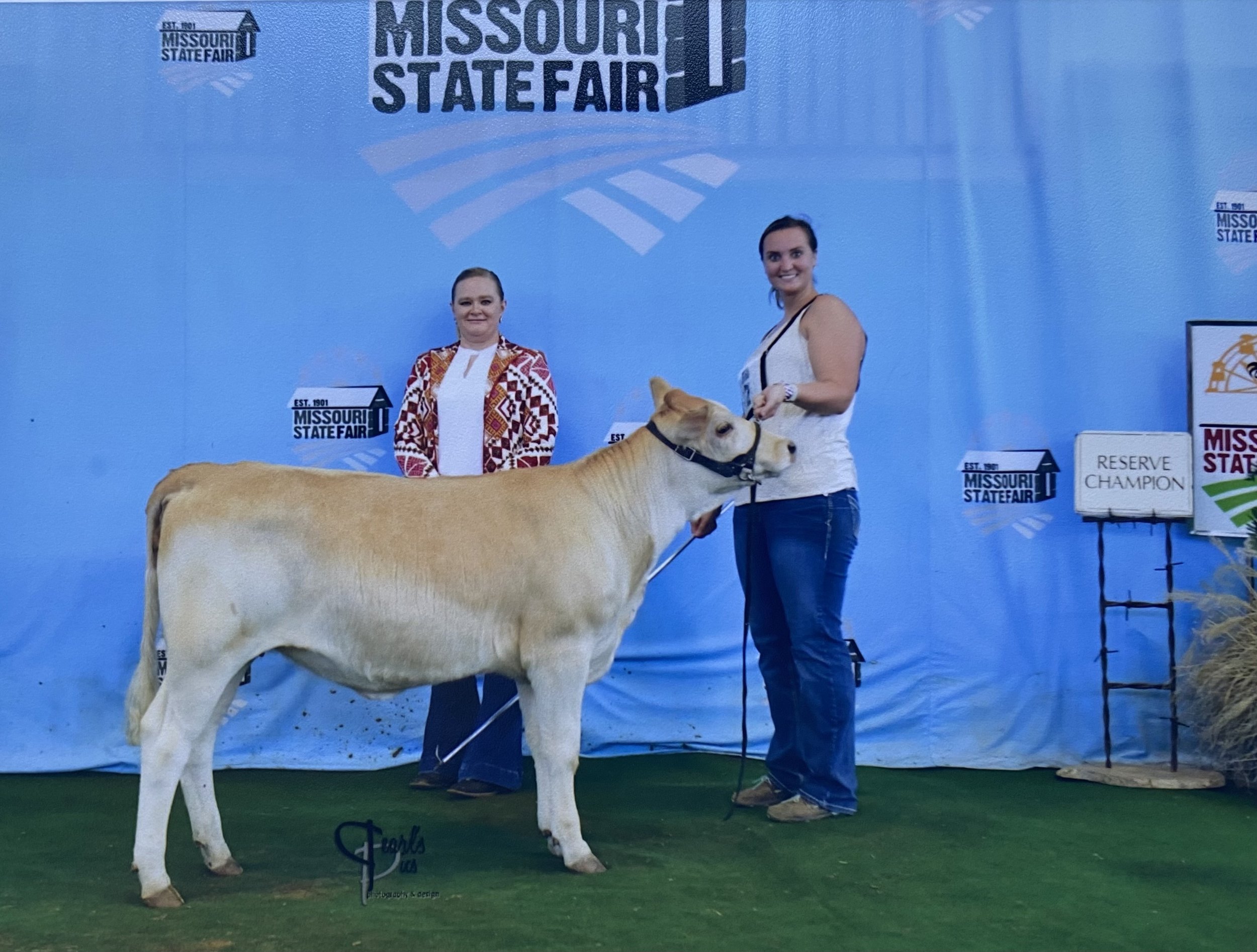
Several ABA events are held each year on top of various Cattle shows and chapter meetings. The public is welcome to join us. Some producers offer farm visits, so contact a farm near you to make arrangements. Come see for yourself what Beefalo is all about, why we love these animals and know you will too!